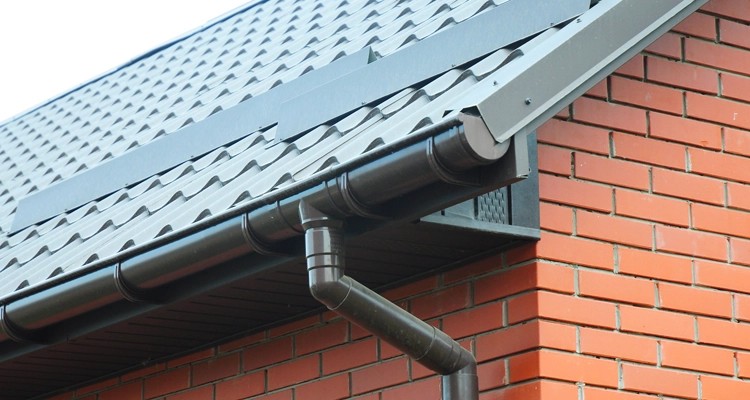


Pests are a common occurrence in Malaysia because of its tropical climate. Pest control in Malaysia is a regulated service governed by the Pesticides Act 1974, requiring service providers to obtain a Pest Control Operator (PCO) licence from the Pesticides Board under the Department of Agriculture (DOA). Professional pest management centres on Integrated Pest Management (IPM), a sustainable approach combining biological, physical, and chemical tools to minimise health and environmental risks. Effective pest management in Malaysia targets a 95% reduction in pest activity while strictly adhering to MS 1256:2025 standards for chemical application in residential and commercial premises.
Technical Definition and Core Operation
Pest control services operate as a multi-stage intervention process involving site risk assessment, pest identification, targeted treatment, and post-treatment monitoring. Professional services utilise Pesticide Applicator Licences (PAL) and Assistant Pesticide Applicator Licences (APAL) to ensure that toxic chemicals are handled by certified personnel. At present, technicians utilise digital “smart traps” and IoT-enabled sensors to monitor rodent and termite activity in real-time, allowing for a 30% reduction in the use of prophylactic chemical sprays.
Classifications of Pests in the Malaysian Ecosystem
Pests in Malaysia are categorised by their economic and health impact, primarily divided into wood-destroying organisms, public health vectors, and nuisance pests.
- Termites (Subterranean): Responsible for an estimated RM 500 million in annual property damage in Malaysia. Control methods focus on Chitin Synthesis Inhibitor (CSI) baiting systems.
- Public Health Vectors: Includes Aedes mosquitoes (Dengue/Zika), cockroaches, and rodents. Management involves larviciding and habitat modification.
- Nuisance Pests: Ants, bedbugs, and silverfish. These require localised spot treatments and perimeter defence barriers.
Commercial Pest Management: Compliance and Food Safety
Commercial pest management in Malaysia is a mandatory requirement for food-handling establishments under the Food Hygiene Regulations 2009 and HACCP/ISO 22000 standards.
- Audit Readiness: For food processing plants, documentation must include MAFAS (Malaysian Fumigation Accreditation Scheme) certificates if export-bound.
- Frequencies: High-risk environments like restaurants typically require monthly inspections, whereas warehouses may operate on a quarterly monitoring cycle.
- Automation: Current auditing software allows for seamless traceability, enabling auditors to view flash reports of pest sightings and corrective actions instantly.
Residential Pest Control and Environmental Hygiene
Residential pest control focuses on the exclusion and sanitation principles to prevent pests from establishing breeding colonies within the building envelope.
- Perimeter Defence: Application of residual pesticides to the external foundation to intercept crawling insects.
- Thermal Fogging: Primarily used for mosquito control in residential estates, utilising water-based formulations to reduce the oil-slick residue associated with traditional diesel-based fogging.
- Sanitation Audits: Technicians provide homeowners with structural integrity reports, identifying gaps in eaves, doors, and plumbing penetrations that act as entry points.
Selecting a Service Provider: The Trust Benchmarks
Choosing a pest control provider in Malaysia requires a technical audit of their PCO licence status on the DOA e-Lesen portal and their adherence to the MS ISO 45001:2018 safety framework.
- Certification Verification: Ensure the company holds a valid Form B (PCO Licence) and that on-site technicians carry valid Form D (PAL/APAL) cards.
- IPM Adoption: Prioritise providers who offer a chemical-last approach, focusing on structural proofing and hygiene recommendations first.
- Insurance Coverage: Professional providers must maintain Professional Indemnity and Public Liability insurance to protect the property owner against accidental damage or chemical exposure.
Safety and Environmental Sustainability
The Green Pest Control movement in Malaysia prioritises biopesticides and botanical extracts (e.g., neem oil and pyrethrins) for use in sensitive areas such as schools and hospitals.
- Risk Assessment: Every treatment must be preceded by a written HIRARC (Hazard Identification, Risk Assessment, and Risk Control) report.
- Toxicity Levels: Pesticides are classified by the WHO into Classes Ia, Ib, II, III, and IV. Professional residential services primarily utilise Class IV (Least Toxic) chemicals.
- Integrated Waste Management: Used pesticide containers must be triple-rinsed and disposed of according to DOE (Department of Environment) Scheduled Waste (SW 403) regulations.
Frequently Asked Questions (FAQs)
What is the Pesticides Act 1974?
The Pesticides Act 1974 is the primary legislation in Malaysia that regulates the importation, manufacture, sale, and use of pesticides to protect human health and the environment.
How do I verify if a pest control company in Malaysia is licensed?
You can verify a company’s status by checking the e-Lesen LRMP portal managed by the Department of Agriculture (DOA). All legal operators must have a valid Form B licence.
What is the difference between PAL and APAL?
A Pesticide Applicator Licence (PAL) is for individuals who have passed a competency exam for the application of pesticides. An Assistant Pesticide Applicator Licence (APAL) allows an individual to assist in the application under the supervision of a PAL holder.
Are eco-friendly pest control treatments available in Malaysia?
Yes. Many providers offer Integrated Pest Management (IPM) options that utilise non-toxic baiting, heat treatments, and botanical pesticides to minimise environmental impact.
How often should a restaurant in Malaysia undergo pest control?
According to the Ministry of Health (MOH) guidelines for food safety, high-risk premises like restaurants should undergo professional pest inspections and treatments at least once a month.
Opt For a Pest-Free Home
Effective pest control in Malaysia is a synergy of regulatory compliance and technological monitoring. By prioritising IPM-certified providers and maintaining a strict sanitation regime, property owners can ensure long-term pest prevention while adhering to the Pesticides Act 1974. Speak to the pest control experts today.